

Dual-use products (dual-use goods) are products, materials, software, and technologies that are intended for civilian use but, due to their technical parameters, can also be used for military purposes. In the metalworking industry, these are most often precision components and construction details that must meet rigorous quality and durability standards to meet the stringent requirements of both sectors.
Definition and characteristics: What are dual-use goods?
Dual-use products, also known as dual-use goods, are technologies, components, materials, and devices that can be used for both civilian and military purposes. In practice, this means that the same item can be used in industry, transportation, energy, or automation, while also meeting the requirements of defense projects.
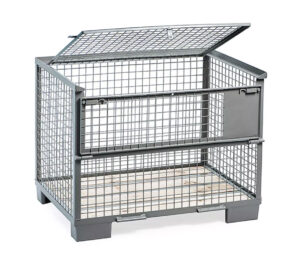
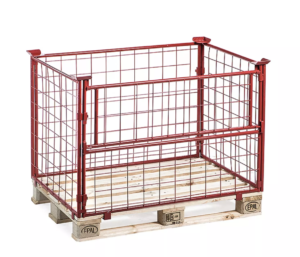
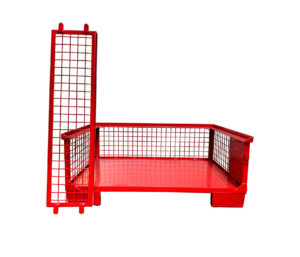
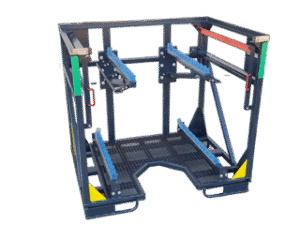
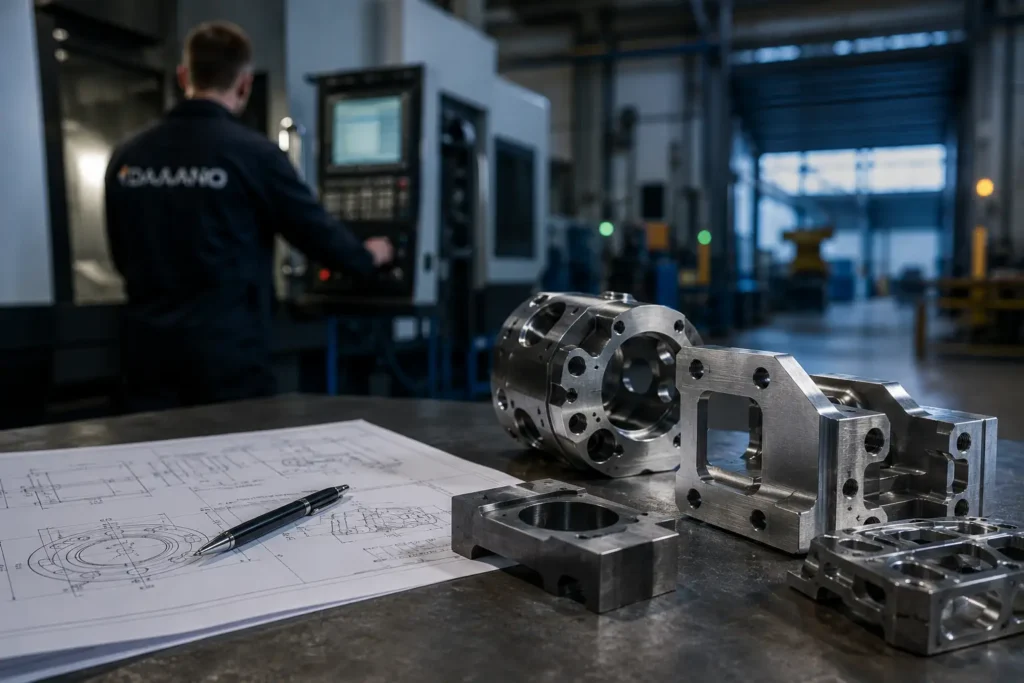
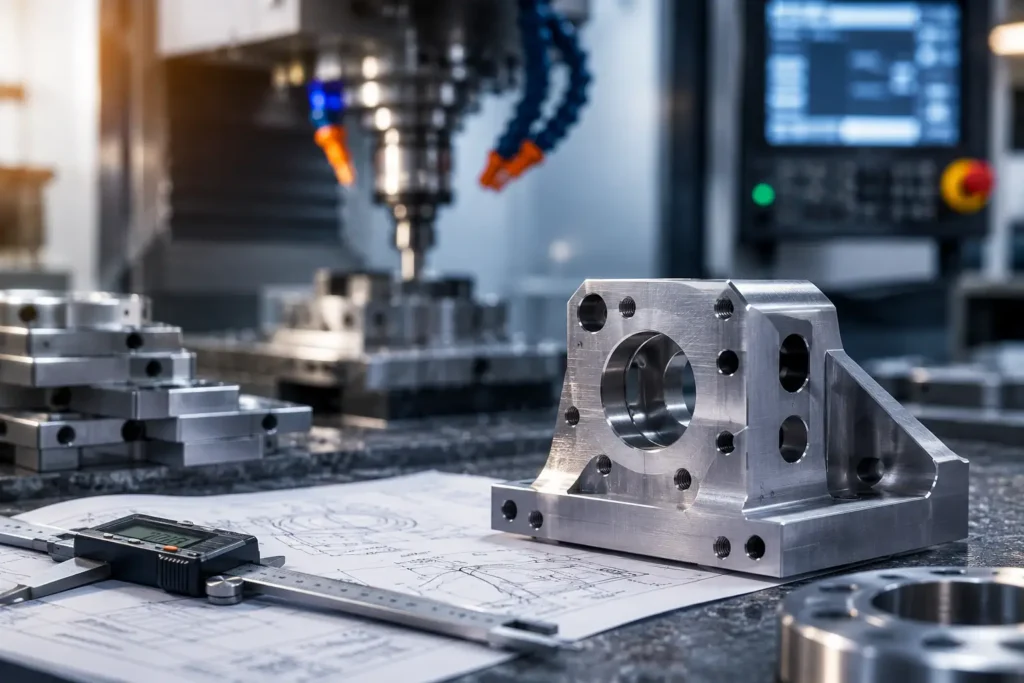
In the metalworking industry, dual-use products include specialized structural elements, welded details, machine components, assembly parts, housings, handles, frames, brackets, and precision-made technical components. Their common characteristic is the need for high-quality workmanship, complete repeatability, and strict adherence to the parameters specified in the documentation.
For dual-use orders, standard industrial production is not enough. Strict regulations, demanding acceptance procedures, and responsibility for the final use of components mean that every detail must be manufactured with maximum precision. Material quality, dimensional accuracy, joint durability, and resistance to operating conditions are key.
Classification of dual-use items
Dual-use goods are products that are not intended to be exclusively military, but due to their technical properties, can be used in defense, military, or strategic projects. These can include finished devices, individual components, materials, production technologies, or specialized services.
In the context of metalworking, components requiring high mechanical resistance, precise cutting, stable welds, and effective corrosion protection are of particular importance. Such components must maintain their properties even under harsh operating conditions: dynamic loads, fluctuating temperatures, moisture, vibrations, and intensive use.
The most important features of dual-use products are:
- possibility of use in the civilian and military sectors,
- high precision of workmanship,
- repeatability of parameters in serial production,
- compliance with technical documentation,
- quality control at every stage of production,
- material durability and operational resistance,
- the need to meet certain formal and technical requirements.
Therefore, the production of dual-use components requires technological resources, experience and processes that minimize the risk of error.
Classification of dual-use items
The EU dual-use list covers ten main categories. These are:
- Category 0 – nuclear materials, installations and devices,
- Category 1 – special materials and related equipment,
- Category 2 – material processing,
- Category 3 – electronics,
- Category 4 – computers,
- Category 5 – telecommunications and information protection,
- Category 6 – sensors and lasers,
- Category 7 – Navigation and Avionics,
- Category 8 – ship equipment,
- Category 9 – Astronautics, Aeronautics and Propulsion.
For companies operating in the metalworking industry, Categories 1 and 2 are particularly important.
Category 1 covers special materials and related equipment. In practice, it may refer to materials with increased strength, chemical, thermal, or mechanical resistance. For metal component manufacturers, this means working with materials that require precise cutting, bending, welding, and surface protection technologies.
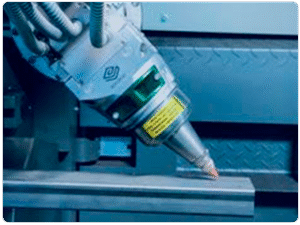
Category 2, materials processing, is directly related to production processes. It encompasses advanced machining, specialized equipment, manufacturing technologies, and processes that achieve high accuracy and repeatability. This is where metalworking, robotic welding, laser cutting, bending, and mass production are most relevant for dual-use projects.
For industrial subcontractors, the dual-use classification is not merely a formal matter. It also signals that a given project requires full process control, quality workmanship, and a responsible approach to every stage of production.
Metalworking for the military – uncompromising production standards
Metalworking for the military and defense sector requires much more than standard order fulfillment. Components used in military projects must meet stringent requirements for durability, precision, and resistance to operating conditions. In such projects, there is no room for randomness, simplification, or margin for error.
Material durability is crucial. Components must be resistant to overloads, vibrations, impacts, temperature changes, and intensive use. An error in material selection or manufacturing technology can reduce the reliability of the entire system.
Cutting and machining precision is equally important. Even the slightest dimensional deviation can affect assembly, structural stability, or the interaction of a component with other elements. Therefore, production for the defense sector requires strict adherence to tolerances and dimensional repeatability from batch to batch.
Anti-corrosion protection is essential. Components intended for military applications often operate in demanding environments: outdoors, in humidity, and in contact with salt, dust, grease, or chemicals. Proper surface protection extends the component's service life and reduces the risk of failure.
That's why metalworking for the military must be based on a stable process, modern machinery, and production experience. Every step, from documentation analysis to final quality control, is crucial.
Robotic welding and serial repeatability
In mass production for the defense industry, repeatability is one of the most important parameters. Each component must be manufactured in the same manner, maintaining identical parameters and joint quality. This is where robotic welding becomes a key technological advantage.
Automation of the welding process minimizes the impact of human intervention. The welding robot operates according to programmed parameters, maintaining constant speed, angle, trajectory, and weld quality. This allows subsequent parts in a series to be manufactured with very high repeatability.
This is particularly important in military procurement. Rigorous technical acceptance requires consistent quality, predictable results, and process traceability. Welds must be durable, aesthetically pleasing, and compliant with documentation. Random differences between components that could impact the safety or functionality of the finished product are unacceptable.
Robotic welding is particularly effective for larger production runs, where not only the quality of individual parts but also the repeatability of the entire batch is crucial. Full automation allows for increased process stability, shorter lead times, and the standard of workmanship required by the defense sector.
Dajano as a trusted subcontractor for the arms industry
Dajano is an experienced partner in metalworking, technical component manufacturing, and specialized industrial project fulfillment. Our Competence Center draws on 30 years of experience, allowing us to implement projects requiring high precision, repeatability, and technological responsibility.
Collaborating with the defense industry and sectors related to dual-use production requires not only appropriate resources but also a thorough understanding of the specific nature of such orders. Timeliness, quality, process control, and the ability to adapt technology to the requirements of technical documentation are key.
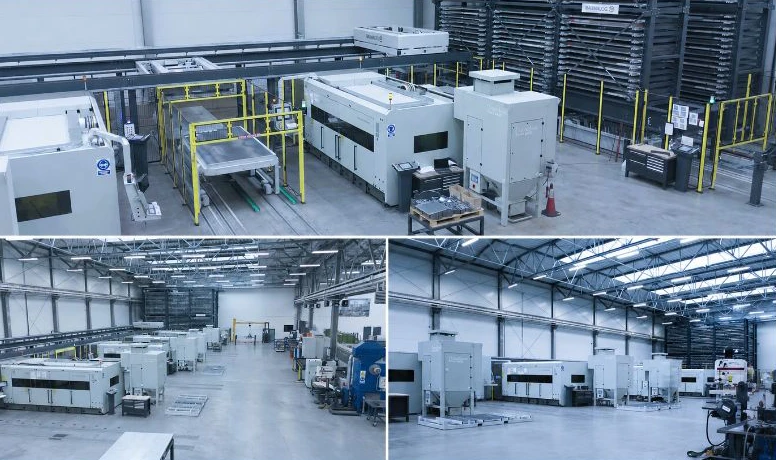
One of Dajano's most important values is quality. Robotic machinery allows for high production repeatability, reduced risk of errors, and stable parameters over long production runs. This is especially important for components that must pass demanding inspections and meet rigorous manufacturing standards.
Another key value is flexibility. Dajano can adapt production lines to specific dual-use orders, changing project requirements, and individual customer needs. This allows us to support engineers, designers, and purchasing departments in implementing both prototypes and mass production.
As a subcontractor for the defense industry, we provide the competence, technology, and experience necessary to produce components where every detail counts.
Domestic production of military components
In uncertain times, supply chain security is strategically important. Domestic production of military and dual-use components reduces the risk of delays, shortens response times, and increases control over the manufacturing process. A local subcontractor not only provides more convenient communication but also greater predictability, faster technical consultations, and the ability to implement changes more efficiently.
For defense companies, equipment manufacturers, system integrators, and design offices, collaborating with a Polish technology partner can provide real support in implementing demanding projects, especially when components must meet high standards of quality, durability, and repeatability.
Dajano supports the production of components for industries requiring precision metalworking, robotic welding, and a flexible approach to technical documentation. If you're looking for an experienced subcontractor who understands the specifics of dual-use projects and defense production, submit your technical documentation for a quote.
Contact Dajano and see how we can support your project from the documentation analysis stage to the serial production of components.
Frequently Asked Questions (FAQ)
What are dual-use items?
Dual-use items are goods, technologies, materials, or components that can be used in both civilian and military applications. In the industrial sector, these may include specialized metal parts, structural components, machine parts, high-strength materials, and material processing technologies.
What are some examples of dual-use goods in the metalworking industry?
Examples of dual-use goods in metalworking include precision-made structural components, welded parts, housings, frames, brackets, assembly parts, details made of special materials, and components requiring high mechanical or corrosion resistance. Their classification depends on their technical parameters, intended use, and compliance with the relevant lists.
Why is weld quality critical in military production?
The quality of welds directly impacts the strength, safety, and durability of the entire component. In military production, welds must be repeatable, stable, and compliant with technical documentation. Even a minor defect in a joint can reduce the component's resistance to loads, vibrations, or harsh operating conditions. Therefore, robotic welding is particularly important in mass production, as it reduces the risk of human error.
Does Dajano accept orders for the production of military components?
Yes, Dajano handles specialized metalworking orders, including components for industries requiring high quality, repeatability, and precision. Thanks to the Competence Center's 30 years of experience, robotic machinery, and flexible approach to dual-use projects, Dajano can support clients in producing technical components that meet their specifications. The best way to proceed is to submit your technical documentation for a personalized quote.
How helpful was the article?
Click a star to rate!
Average rating 5 / 5. Number of votes: 1
No votes so far! Be the first to rate this article.
 Polski
  English (UK)
  Français
  Čeština
  Svenska