

Which storage systems increase operational efficiency?
Practical solutions that can be implemented in the warehouse - without the need for full automation, and that deliver real results:
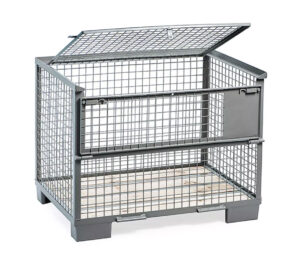
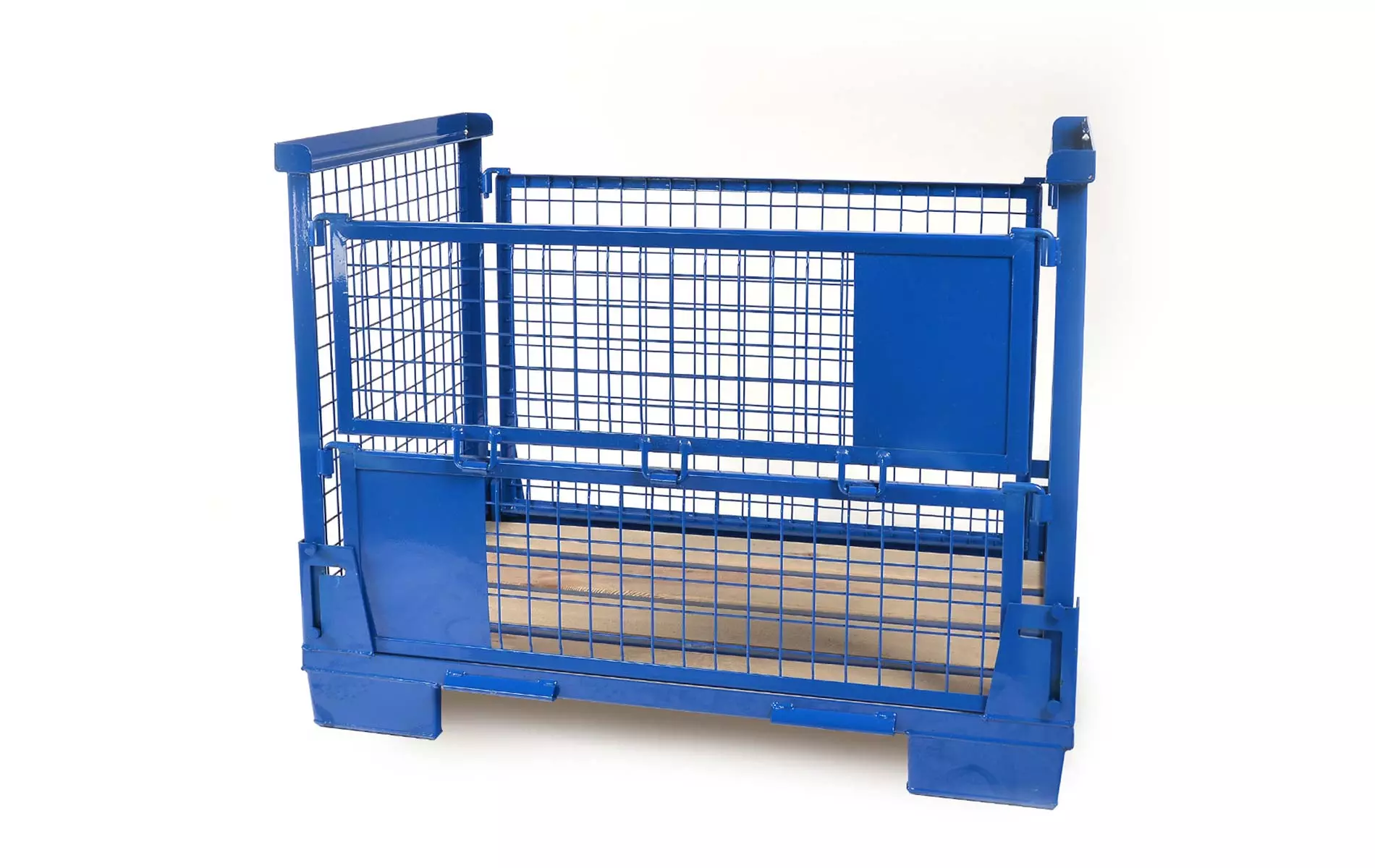
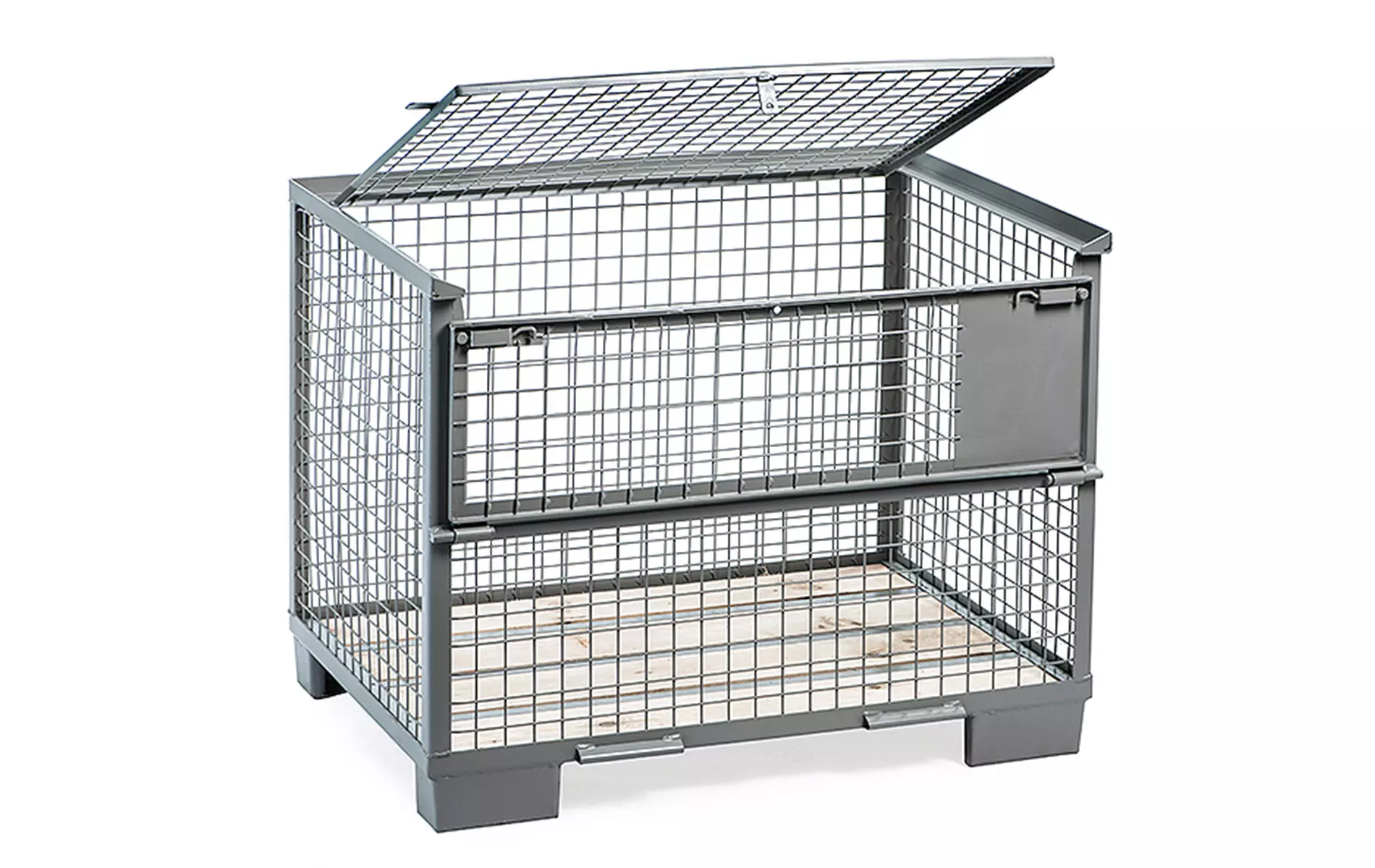
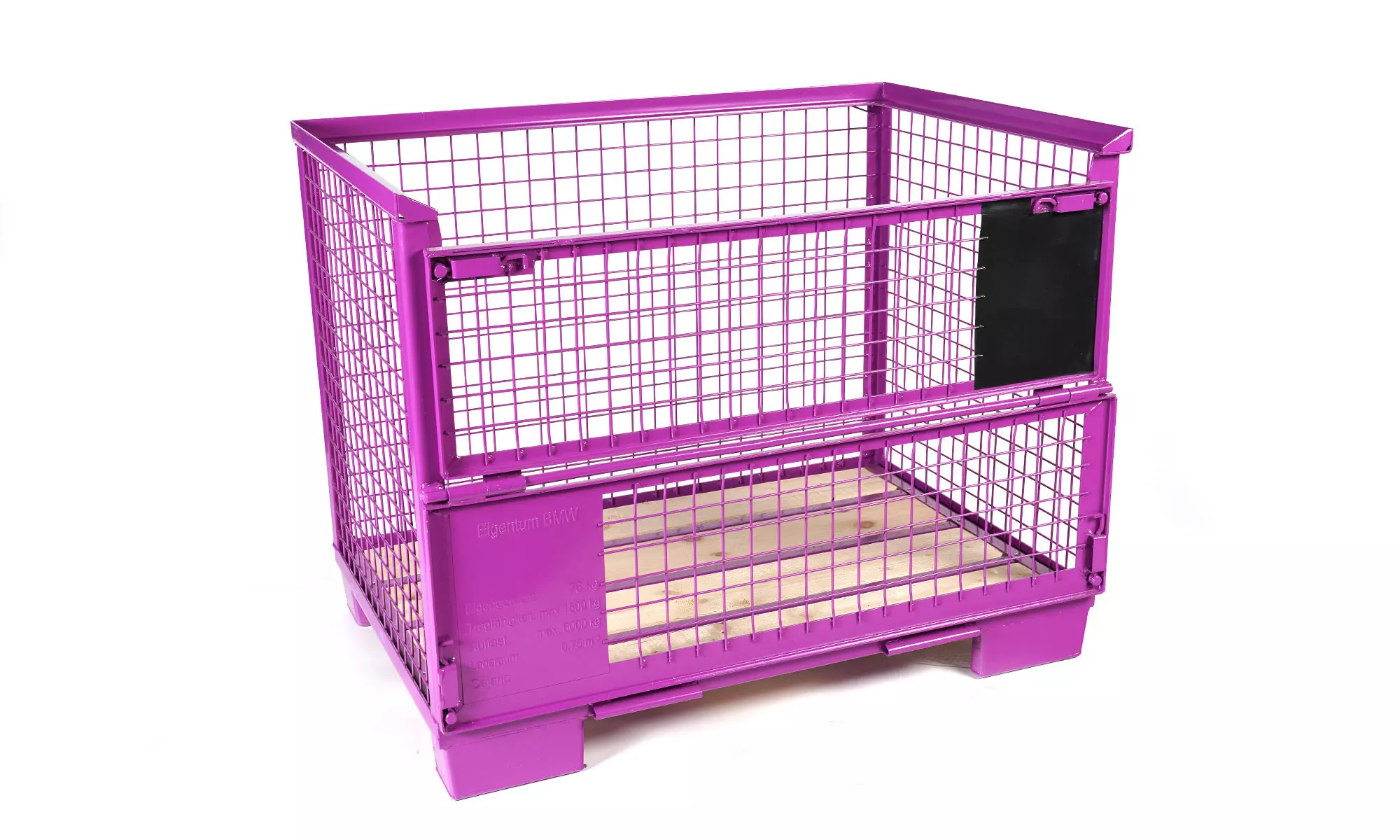
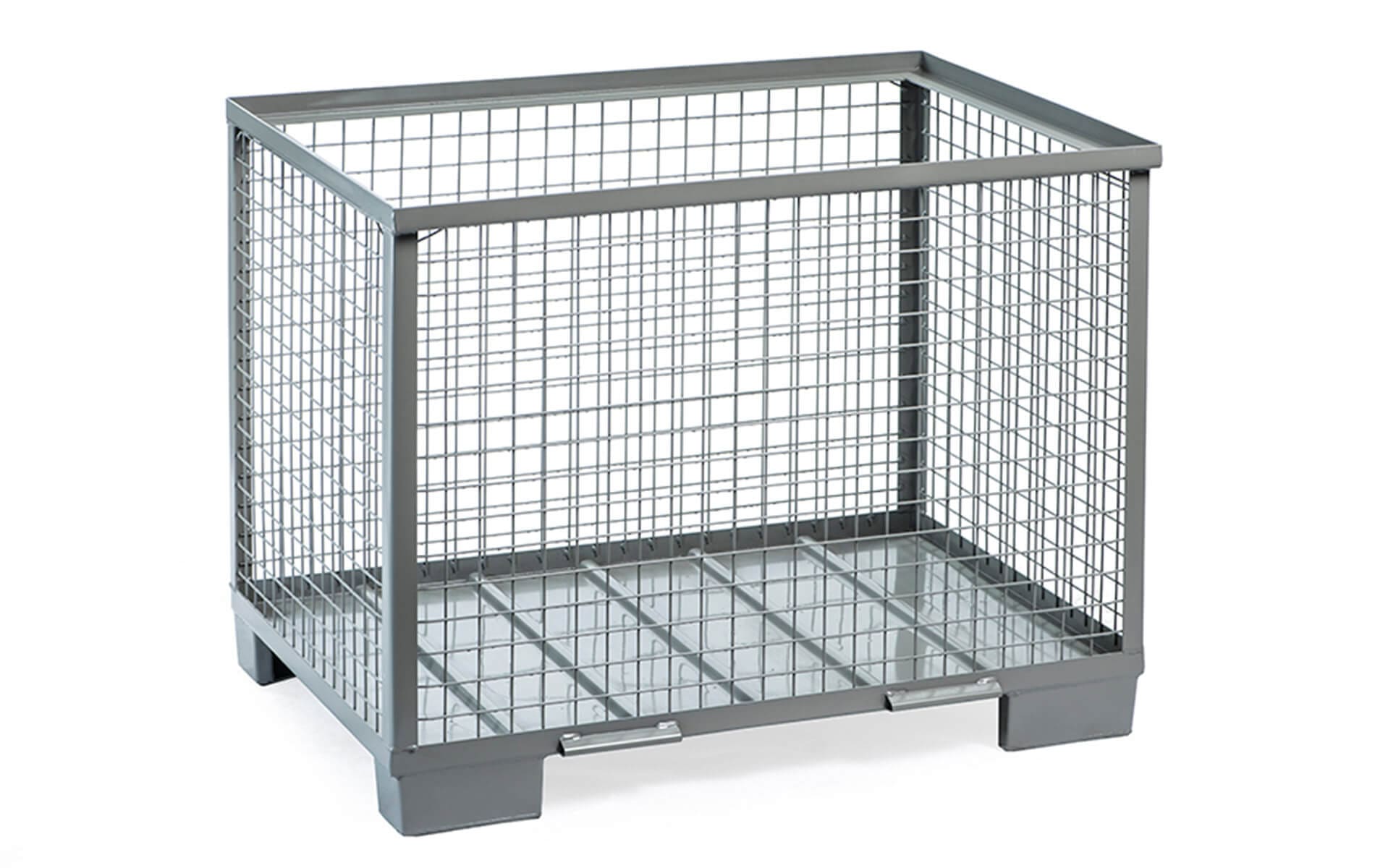
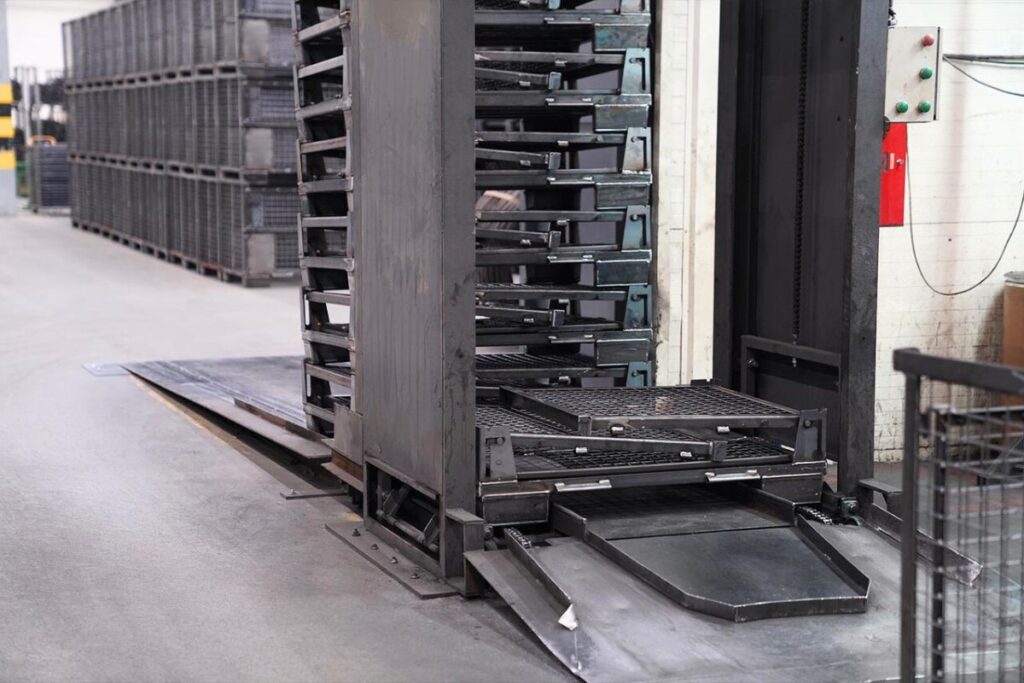
Mesh and metal containers
- The lattice design ensures good ventilation, visibility of the contents and a relatively low dead weight.
- By standardising dimensions, they can be easily integrated into material handling systems.
- These containers are often used in picking areas, partial processing, intermediate operations - anywhere a high degree of flexibility is needed.
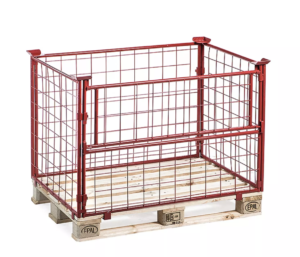
Pallet collars
- They enable the stacking of loads on pallets, which increases the spatial efficiency of the warehouse.
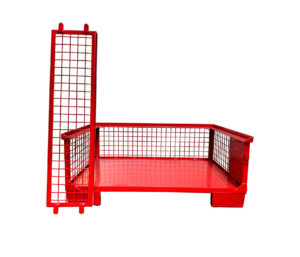
- Folding extensions save space when not in use.
- Typical parameters for extensions are load capacity (e.g. 1,000 kg, 1,500 kg), height (depending on the design) and material (steel, galvanised steel).
Metal pallet poles
- The post construction offers the possibility of stacked storage, but with more stability than wooden pallets.
- Increased resistance to deformation, long life cycle, can be used in demanding conditions (moisture, heavy loads).
- Often used in industrial sectors where durability and reliability are key.
Each of these solutions can be used alone or in combination - depending on the storage requirements and characteristics of the product range.
Impact of appropriate equipment on warehouse efficiency
Faster loading and unloading = shorter operation time
In the warehouse, every minute counts. The right containers, extensions and pallets minimise the time needed for handling, transfers or reorganisation. Reducing the number of handling operations translates directly into a shorter warehouse cycle.
Less damage to goods due to stable containers
Robust construction, good joints and suitable materials reduce the risk of damage during handling, transport and storage. Fewer defects mean better margins and more reliable deliveries.
Better space organisation means better turnover of goods
Clear labelling systems, standardisation of storage units, logical arrangement of the product range (high turnover goods closer to the picking area), segmentation of storage areas - all this leads to faster access to and circulation of stock. A more „clean” warehouse promotes both efficiency and operational security.
Industries that benefit most from the implementation of modern systems
Automotive
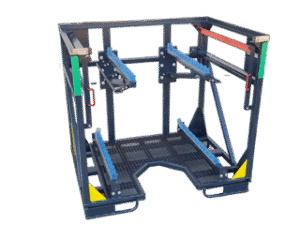
Automotive sector is a continuous flow of parts, components of various sizes, often requiring strict quality standards and on-time delivery. Flexibility, precision and reliability are key factors. The implementation of efficient storage systems (personalised containers, automation, racking structures) can result in significant savings and operational stability.
Agriculture
Agriculture often operates with seasonal assortments, variable volumes, requirements for cleanliness, environmental resistance and weather resistance. Solutions require durability, ease of cleaning, and the ability to adapt to periodic seasonal changes.

E-commerce
This is a sector that directly drives the need for flexible and efficient warehouses. With a high number of SKUs (products), fast turnover, intensive picking and time pressure - automation, a dense warehouse structure and system support are almost a prerequisite for operation. Check out storage containers 
Construction
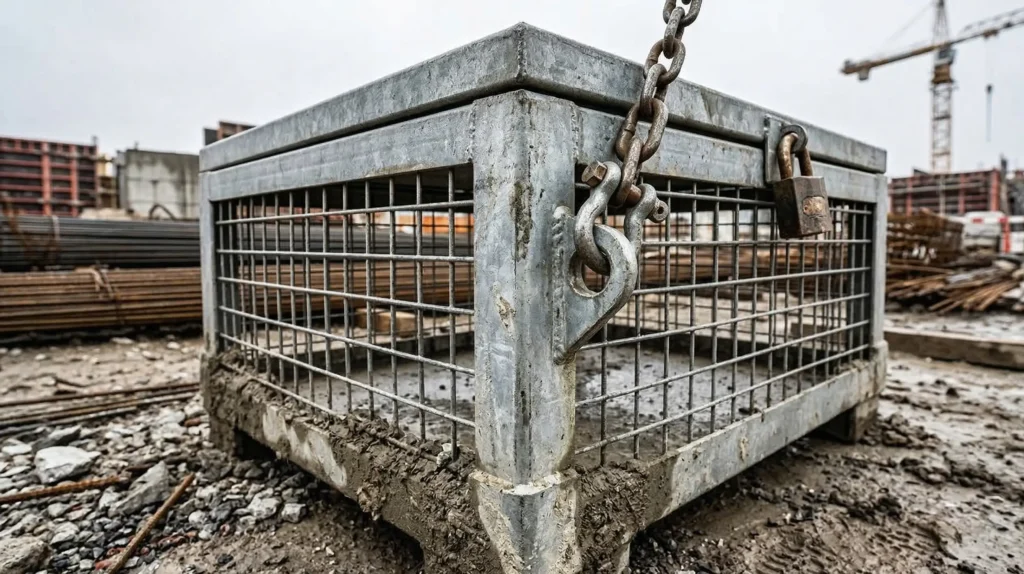
Building materials - often heavy, bulky or non-standard - require robust storage structures, mobile solutions, sturdy steel containers, and a flexible racking system that can cope with heavy loads.
Containers for the construction industry 
How to implement effective warehouse systems with DAJANO?
Advice and customised orders
DAJANO offers full logistics consultancy - analysis of the client's needs (dimensions, loads, assortment characteristics, intensity of flows), conceptual design, selection of storage systems and flow simulations. Containers, extensions, pedestals and structures can be ordered to size, matching the specifics of your business.
Implementation deadlines
DAJANO relies on fast order fulfilment (approximately 3 weeks from design approval), production flexibility (minimum order in a series is 200 pieces) and logistics (own fleet).
Certified solutions adapted to industry standards
W DAJANO offers You will find containers, pedestals and structures certified for load bearing capacity, compliance with industry standards. This is a key element when a warehouse needs to operate to strict safety and quality standards.
Internal logistics - Frequently asked questions
What is internal logistics?
In-house logistics (intralogistics) is a set of operational processes for the transport, handling, storage and management of materials and products within a company - from receipt to dispatch.
What is the difference between internal and external logistics?
- Scope: internal logistics operates within the company; external logistics includes transport, inter-company distribution and deliveries to the customer.
- Processes: internal - handling, storage, picking; external - transport, carriage, freight handling.
- Responsibility: other units manage these areas - but effective internal logistics also affects the efficiency of the entire supply chain.
Which storage systems are the most versatile?
The most versatile are those that allow flexible transformations according to needs: modular bins, mobile shelving, folding extensions. These solutions work well in warehouses with a variable turnover of assortments and in adaptable production and logistics structures.
Are Gitterboxes suitable for automated warehouses?
Yes - provided their dimensions and design are compatible with the automated storage system (shelving, robots, conveyors). Standardisation and specifications adapted to the specific automation system are often necessary.
Can metal containers be customised for specific goods?
Definitely yes - DAJANO offers bespoke containers, with the option of adjusting dimensions, load capacity, partitions, protective coatings and other additions to meet the specific requirements of the range.
Which storage containers are the most durable?
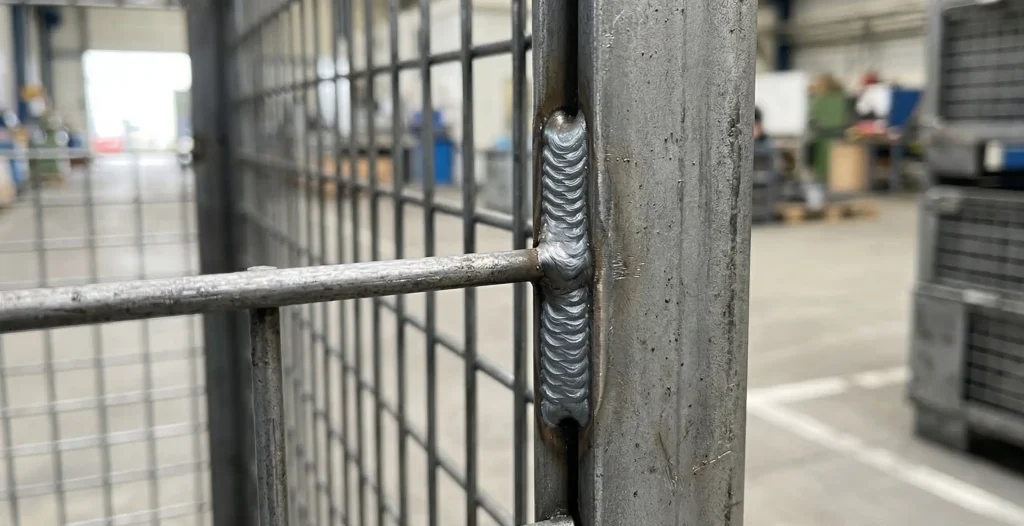
Metal structures with solid workmanship and proper welds and joints are the most durable. Durable options also include high-grade plastics with additives to increase resistance to abrasion, chemicals or weather conditions. The final choice depends on the load, the working environment and the type of goods.
 Polish
  English
  French
  Czech
Czech  Swedish