

In DAJANO's logistics department, we manage a fleet of 20 truck sets, which deliver daily to our customers throughout Europe. Importantly we use returnable transport, i.e. after unloading our goods, we take on other companies' loads, thus maximising our potential and reducing empty runs.
In order to make it all run smoothly and safely, we not only need to take care of schedules and routes, but also, how we transport cargo. Selecting the right containers and pallets is a key element in ensuring the safety of the goods being transported, reducing losses and improving the efficiency of the whole process.
Challenges in freight transport and storage
How to prevent damage and loss?
In practice, most complaints in logistics come not from delays, but from damage to goods - scratches, dings, shifts or complete destruction of the pallet contents.
At DAJANO, we transport many types of cargo - from metal components to plastic goods to components ready for assembly. Each requires a different approach to safeguarding.
For example - one of our white goods customers reported problems with scratches on the fronts of their appliances. After analysing the situation, it turned out that the cause was inadequate packaging - the equipment was merely wrapped in stretch film on a pallet, which allowed them to slide while driving.
We proposed a solution in the form of metal pallet collars and internal separators, which immobilised the goods and prevented them from coming into contact with other elements. Complaints have since disappeared and the customer has significantly reduced transport losses.
Space optimisation in transport
Our sets run regularly on international routes. Every free metre of loading space is important. This is why we attach great importance to optimisation of volumes and stacking of loads.
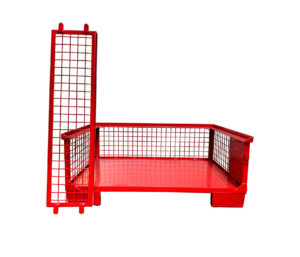
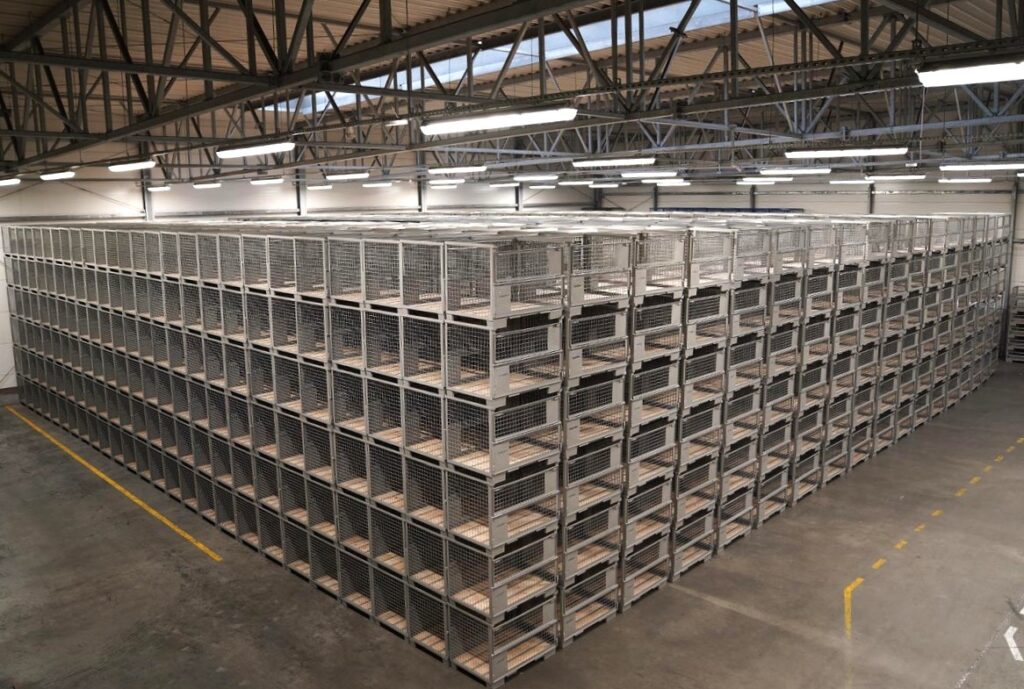
We use collapsible and stackable containers, which, after unloading, can be folded and loaded as an empty unit - thus picking up another load on the return trip without generating additional trips.
In return transport, we often work with companies outside the industry, which forces us to be flexible in the types of carriers - so our equipment must be versatile, robust and safe.
Transport containers as the key to safe transport
Mesh and metal containers in logistics
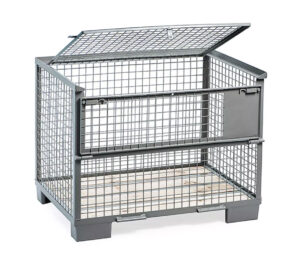
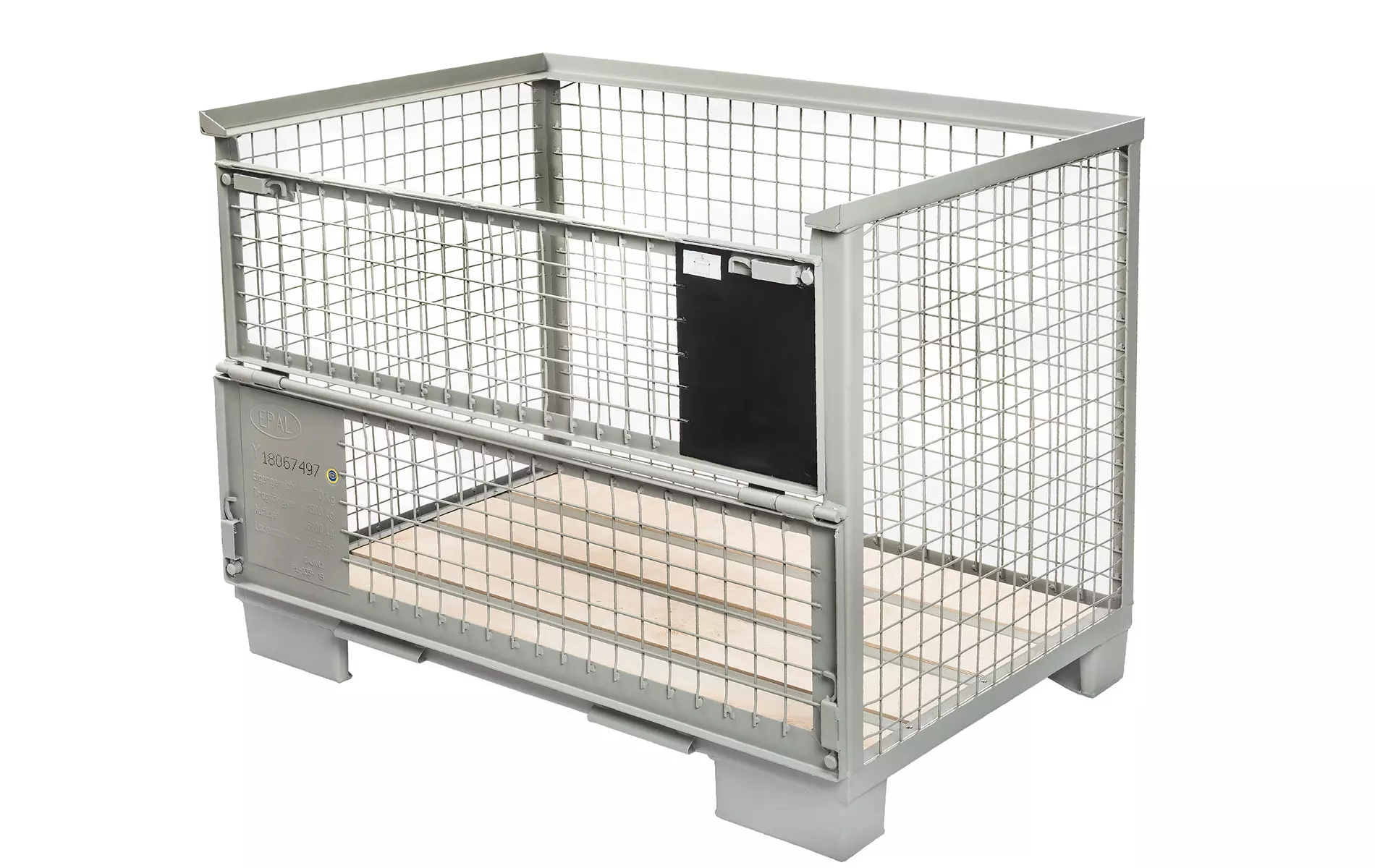
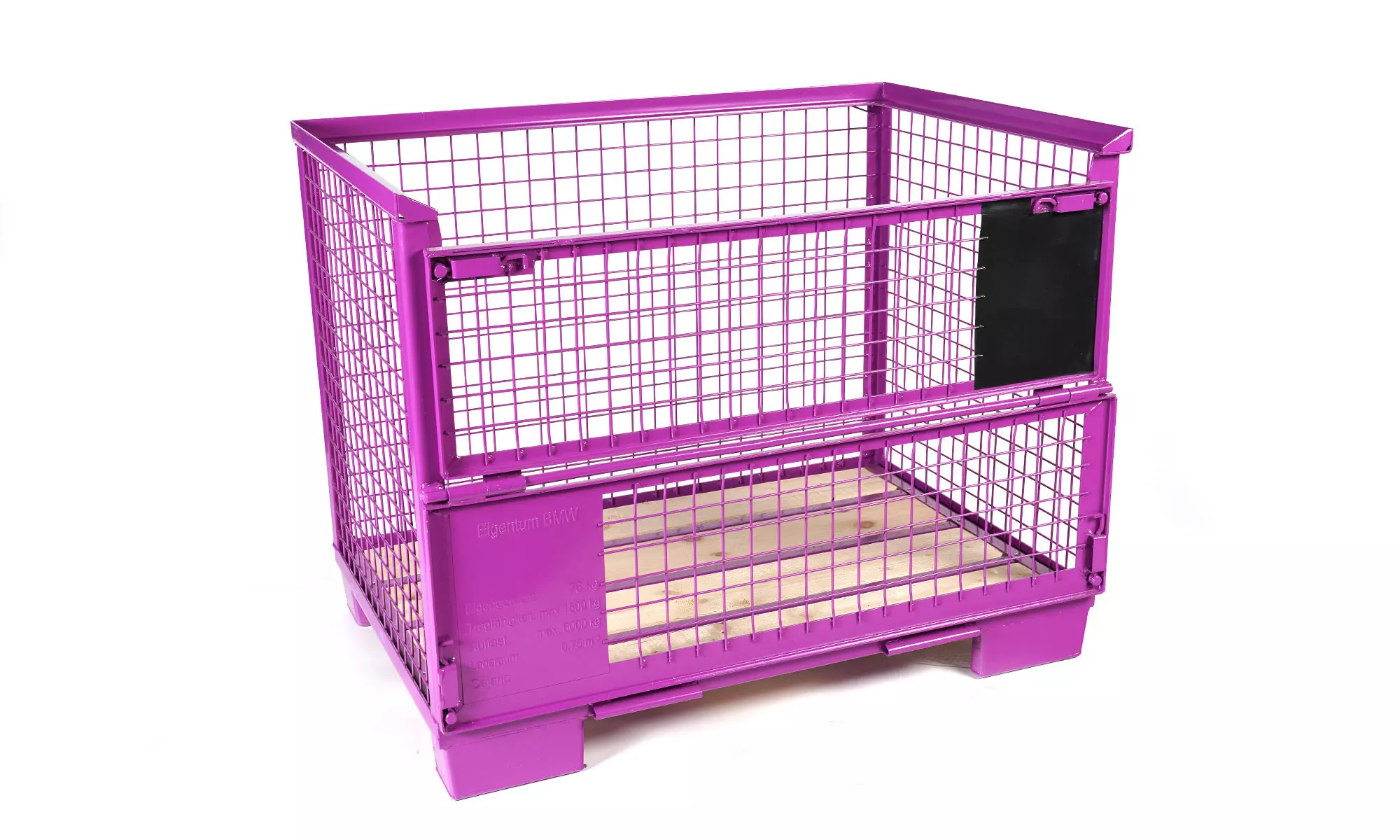
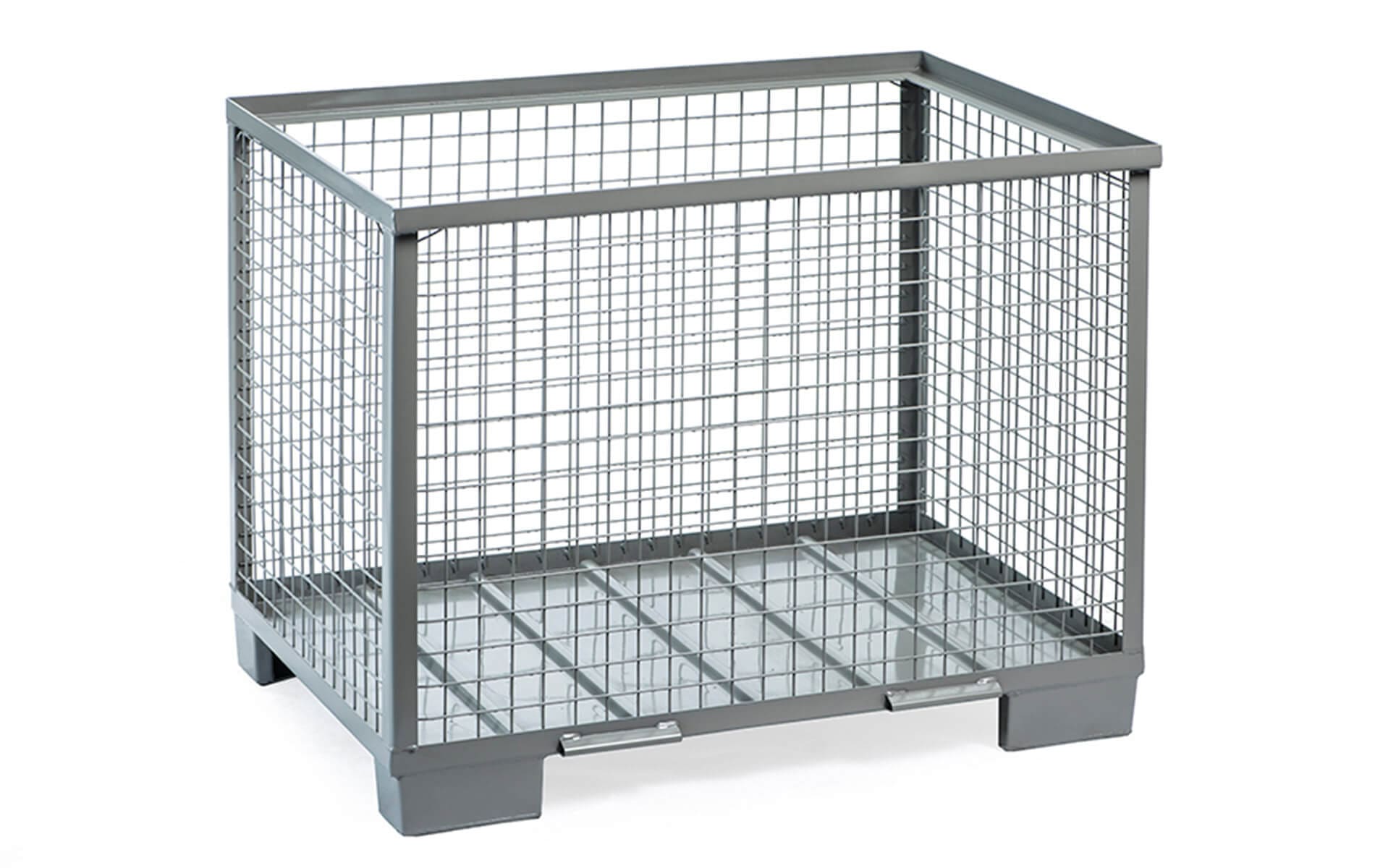
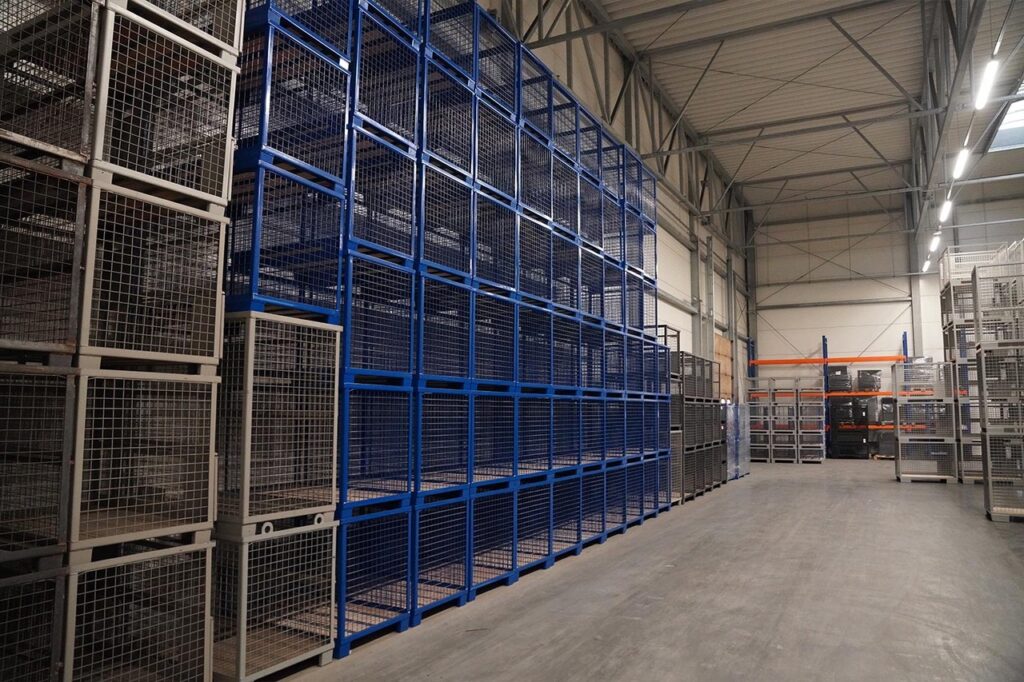
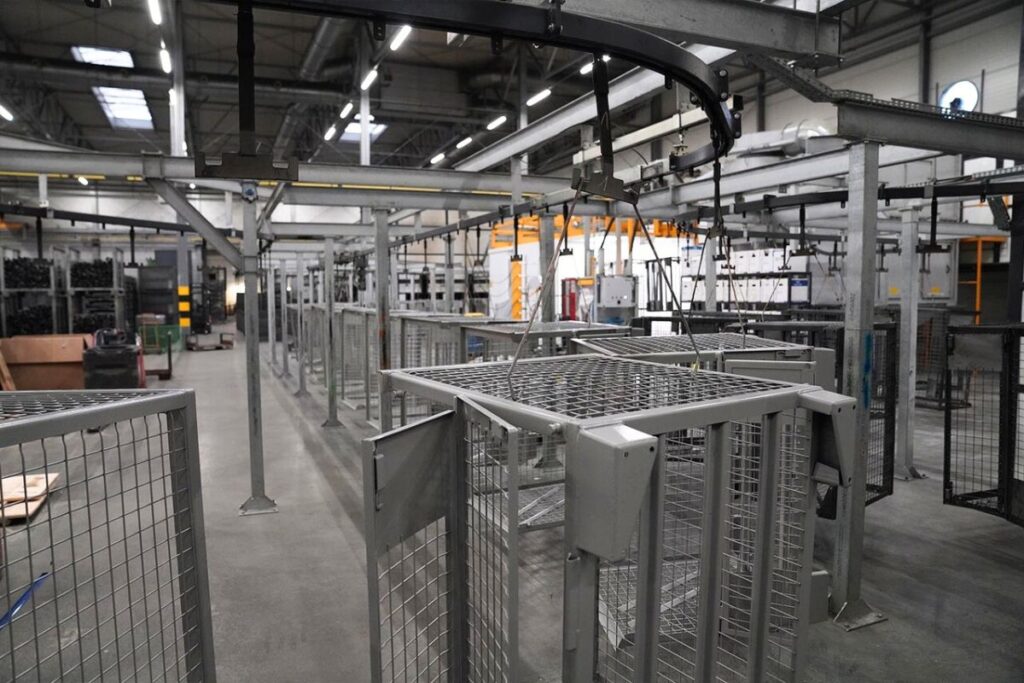
For metal parts, industrial components and heavier goods, we have a strong preference for mesh containers. They are not only robust, but also provide a quick view of the contents - speeding up inspections and picks.
We also use metal containers with flaps, which allow easy loading and unloading without having to remove the entire stack.
These containers are not only used for transport to the customer, but also for transporting components between our warehouses or production areas.
Folding and stackable containers
Thanks to their use, we can transport, for example, advertising items, aluminium structures and sometimes even bulk packaging from our partners on our return from a foreign tour.
The collapsible containers reduce the volume to ¼ of the original - a huge space and fuel saving.
Metal pallets and extensions
Stability and load-bearing capacity of post pallets
We also transport heavier goods on our routes - for example, structural components for industrial customers. Wooden pallets often cannot cope.
Then we reach for steel or aluminium pallets, which are characterised by significantly greater durability, weather resistance and precise customisation.
Post pallets provide stability and allow the load to be easily secured with transport straps - important for tall units or international shipments.
Pallet extensions in road transport and warehouses
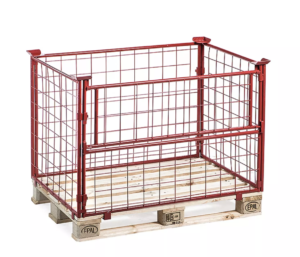
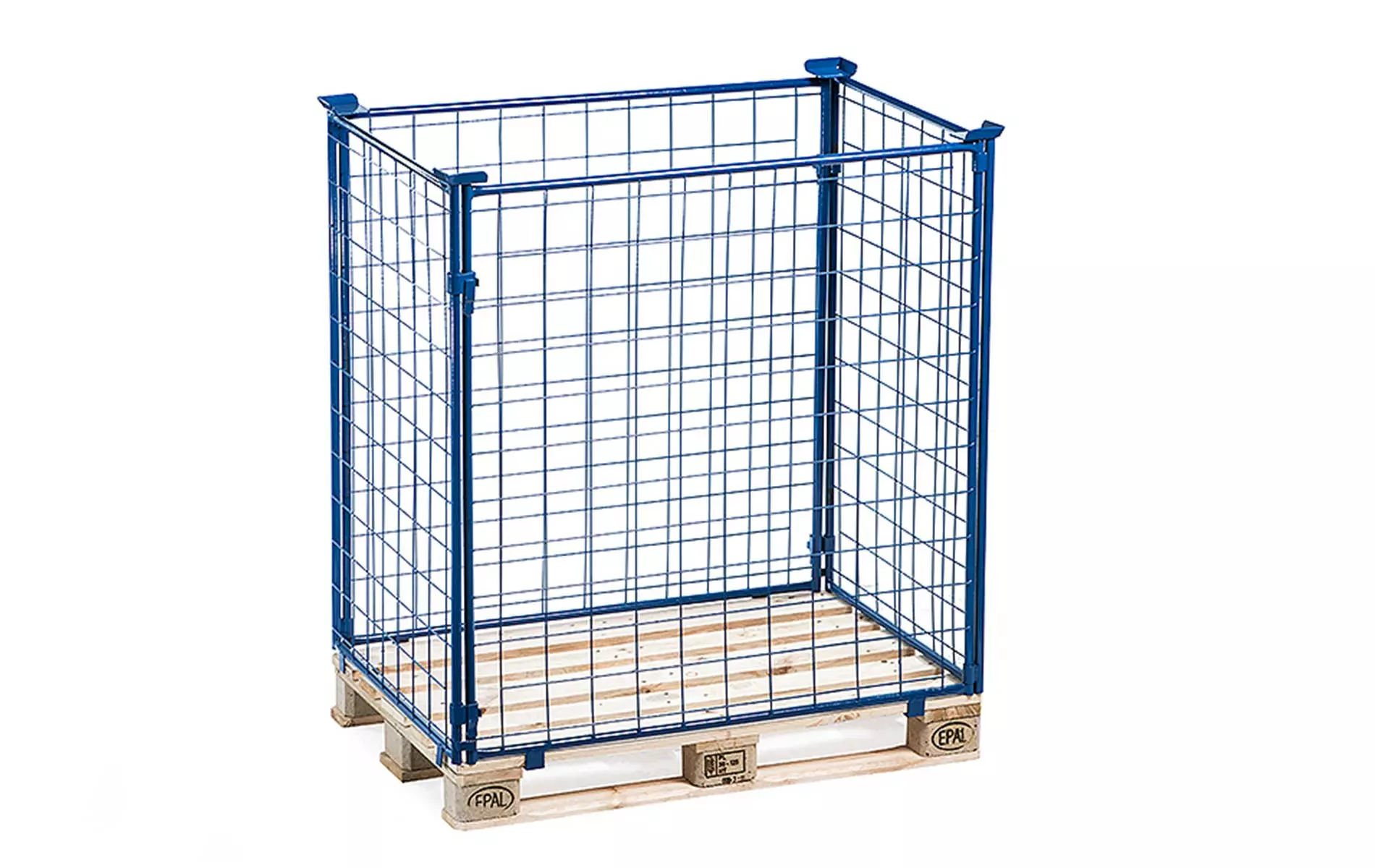
We use metal pallet collars, which protect the load from all sides - particularly important when transporting fragile goods, unpackaged goods or unusual shapes.
Thanks to their modular design, the height of the extension can be quickly adapted to the type of load. Once removed and folded up, they take up minimal space.
There have been times when, thanks to the extensions, we have been able to load a load „on contact” which, without this protection, would have had to be shifted or rejected by the driver because of the risk of damage.
How do you choose the right equipment for your industry?
Containers and extensions for the automotive industry
For automotive customers, we transport precision, painted, vibration-prone components. We use mesh containers with fillings, sometimes with technical foams to prevent the parts rubbing against each other.
Containers and extensions for the construction industry
In return transport, we often take components for the construction sector - steel profiles, trusses, load-bearing elements. This is where heavy-duty metal pallets, often with extensions allowing the load to be positioned vertically.
Containers and extensions for the agricultural industry
During the summer and autumn months, it happens that we take on a return agricultural freight. Here we use mesh containers with ventilation and extensions with covers to protect the goods from wind or dust.
Customised containers for specialised transport
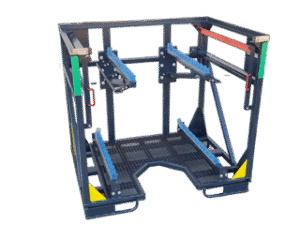
When we receive special orders, e.g. the transport of exhibition elements, assembly systems, prototype machinery - we design bespoke containers or pallets.
Together with the customer, we determine dimensions, fillings, fixings and then test the solutions in practice. Thanks to our own technological facilities, we are able to adapt the equipment to any type of transport.
Check out mesh containers for transport adapted to various industries.
Transport containers and pallets - Frequently asked questions
Which containers work best for international transport?
The best are folding and steel containers, They should be resistant to moisture, shock and frequent loading. They should be compatible with the dimensions of loading systems and be stackable.
Are pallets stackable?
Yes - many pallets (especially metal pallets) allow stacking. However, it is important to follow the manufacturer's recommendations for maximum load and height.
What to look for when choosing pallet extensions?
Pay attention to:
- material (steel, aluminium, wood)
- possibility of folding
- height adapted to the load
- security and locking options
- structural stability
- compatibility with existing equipment in storage and transport
Can I order a customised container for a specific commodity?
Yes - at DAJANO we carry out orders individual containers and pallets tailored to the requirements of a specific product or supply chain. We provide design, prototyping and full documentation.
If you are interested in how to select the right containers and pallets for your type of transport 👉 contact us. Together we will analyse your needs, propose solutions and help you implement them in your logistics system.
How helpful was the article?
Click a star to rate!
Average rating 5 / 5. Number of votes: 4
No votes so far! Be the first to rate this article.
How helpful was the article?
Click a star to rate!
Average rating 5 / 5. Number of votes: 4
No votes so far! Be the first to rate this article.
 Polski
  English (UK)
  Français
  Čeština
  Svenska