

Logistics Security: The Hidden Cost of Unstable Cargo
Wypadki w magazynach rzadko są dziełem przypadku. Choć często mówi się o „nieszczęśliwym trafie”, w praktyce wiele zdarzeń wynika z błędów organizacyjnych i zaniedbań w doborze nośników logistycznych.
For a logistics manager, the priority isn't just the speed of operations or inventory turnover. The most important thing is personnel safety and stability of stored goods. Every unstable stack, every warped pallet box, or worn-out mesh basket is a potential threat.
Unstable packaging is in practice ticking time bomb – it can work flawlessly for months, only to cause the stack to tip over, damage the goods or an employee to get injured at a crucial moment.
The main causes of loss of stability during storage
To understand the scale of the risk, it is worth analyzing why stacks fall over in the first place.
The most common causes are:
- Loss of container geometry – deformed frames cause misalignment when stacking.
- Cracked or weakened welds – especially in the corners of the structure.
- Deformed posts – lack of verticality leads to uneven distribution of forces.
- Worn-out, uncertified substitutes – cheaper equivalents often do not meet durability standards.
In a warehouse, the forces acting on the structure are not exclusively static. Dynamic loads also occur: forklift maneuvers, micro-impacts, and floor irregularities. If a logistics carrier is not designed and constructed with adequate strength, its stability is only apparent.
Saving on construction quality very quickly turns into a real threat.
Lack of standardization and certification (EPAL/UIC)
One of the most frequently ignored aspects of security is lack of compliance with standards.
In the case of mesh baskets, the following are crucial:
- license EPAL,
- compliance with the standard UIC 435-3.
Lack of certification means risk dimensional differences. Even slight deviations cause the sockets and legs to misalign, which leads to instability of the entire structure when stacked.
If a container doesn't maintain its dimensions, stacking it carries the risk of collapse. In practice, this means:
- threat to employees,
- damage to goods,
- possibility of stopping warehouse operations.
Standardization is not a formality – it is the foundation of security.
Mechanical damage and corrosion – the „silent killer”
Steel structures used in warehouses are subject to wear and tear. The problem begins when this degradation goes unnoticed.
Corrosion gradually weakens the structure of the material, reducing the load-bearing capacity of structural elements. Cracks in the mesh and protruding wires pose a direct threat to workers' hands. Deformed load-bearing elements cause loss of stability when stacked.
Many operators dismiss these signs as "normal wear and tear." Instead, any damaged container should be:
- withdrawn from circulation,
- subjected to regeneration,
- or disposed of.
Regular technical inspection is an obligation, not an option.
Real Costs of Warehouse Accidents (TCO Analysis)
Losses resulting from unstable cargo are not limited to damaged goods.
When analyzing total cost of ownership (TCO), you should consider:
- przestoje linii produkcyjnej (szczególnie krytyczne w branży automotive),
- costs of compensation and post-accident proceedings,
- employee absenteeism,
- damage to infrastructure (forklifts, shelves, floors),
- loss of reputation in the supply chain.
One stack overturn can generate a cost several times higher than the price of the entire batch of certified logistics media.
Savings on container quality are therefore illusory. In the long run, they generate many times greater expenses.
Dajano Solutions: Solidity that guarantees peace of mind
Bezpieczny magazyn zaczyna się od jakości nośników.
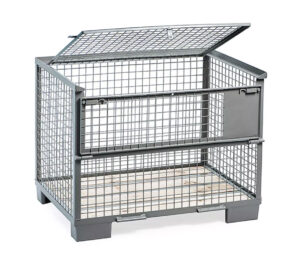
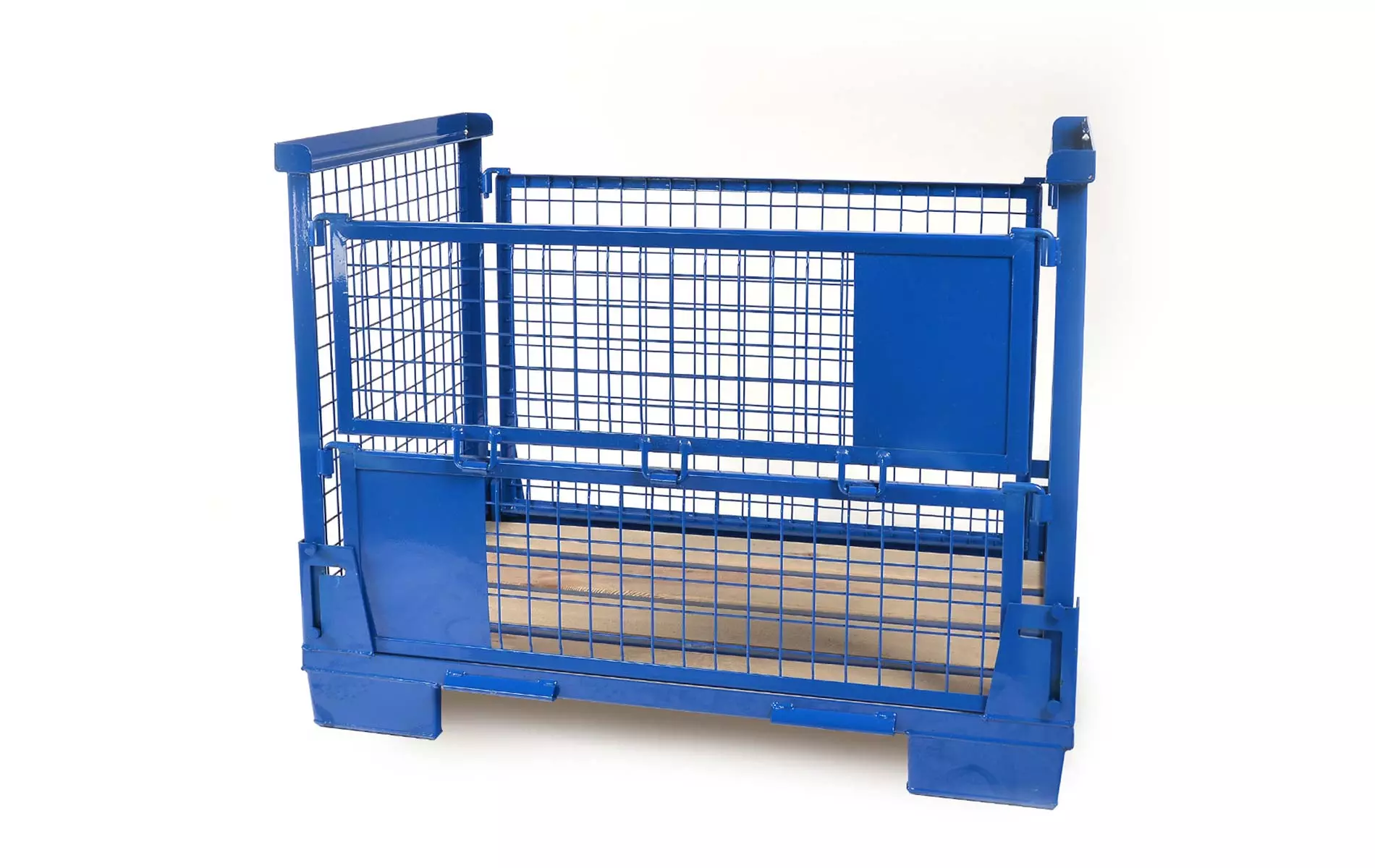
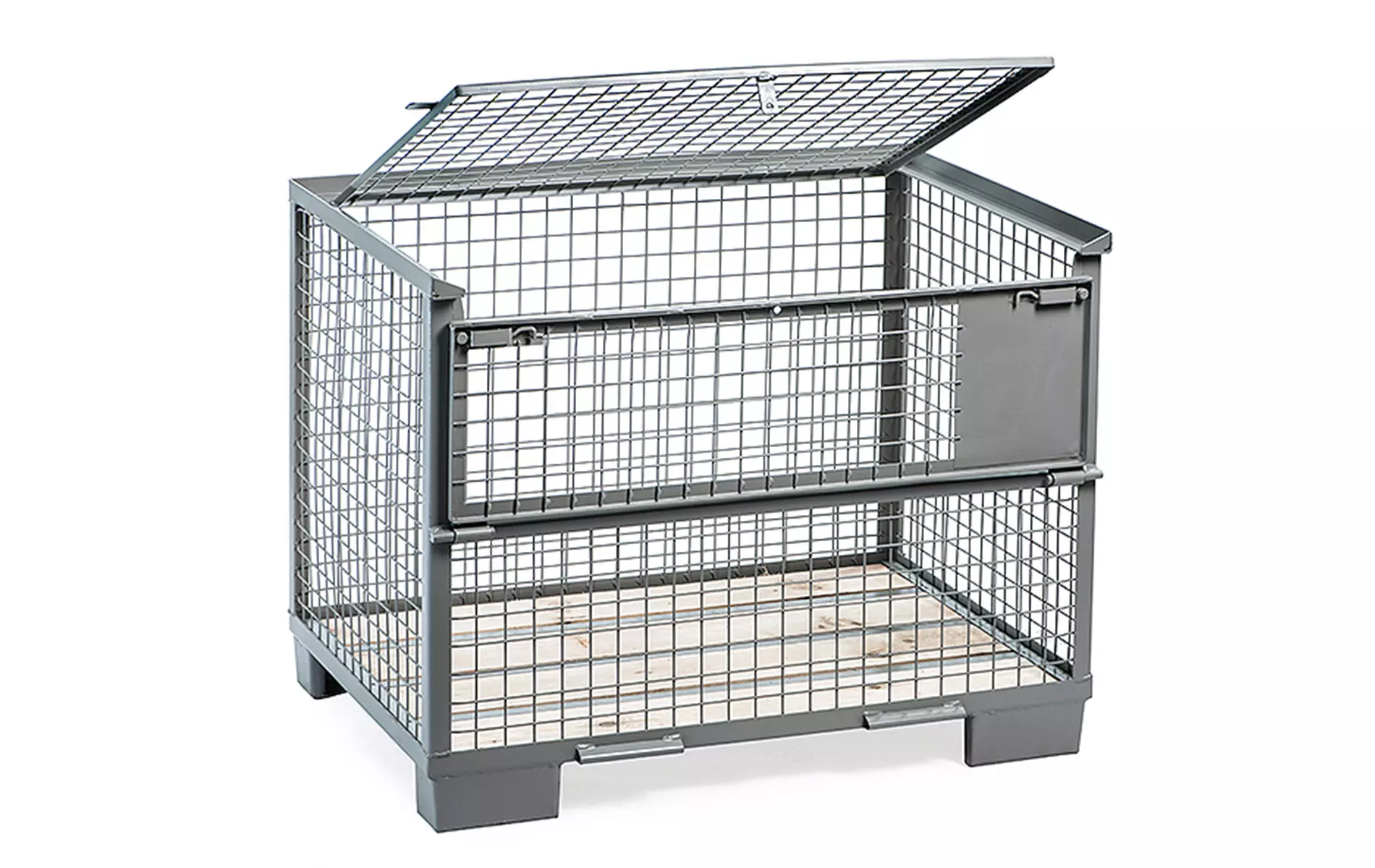
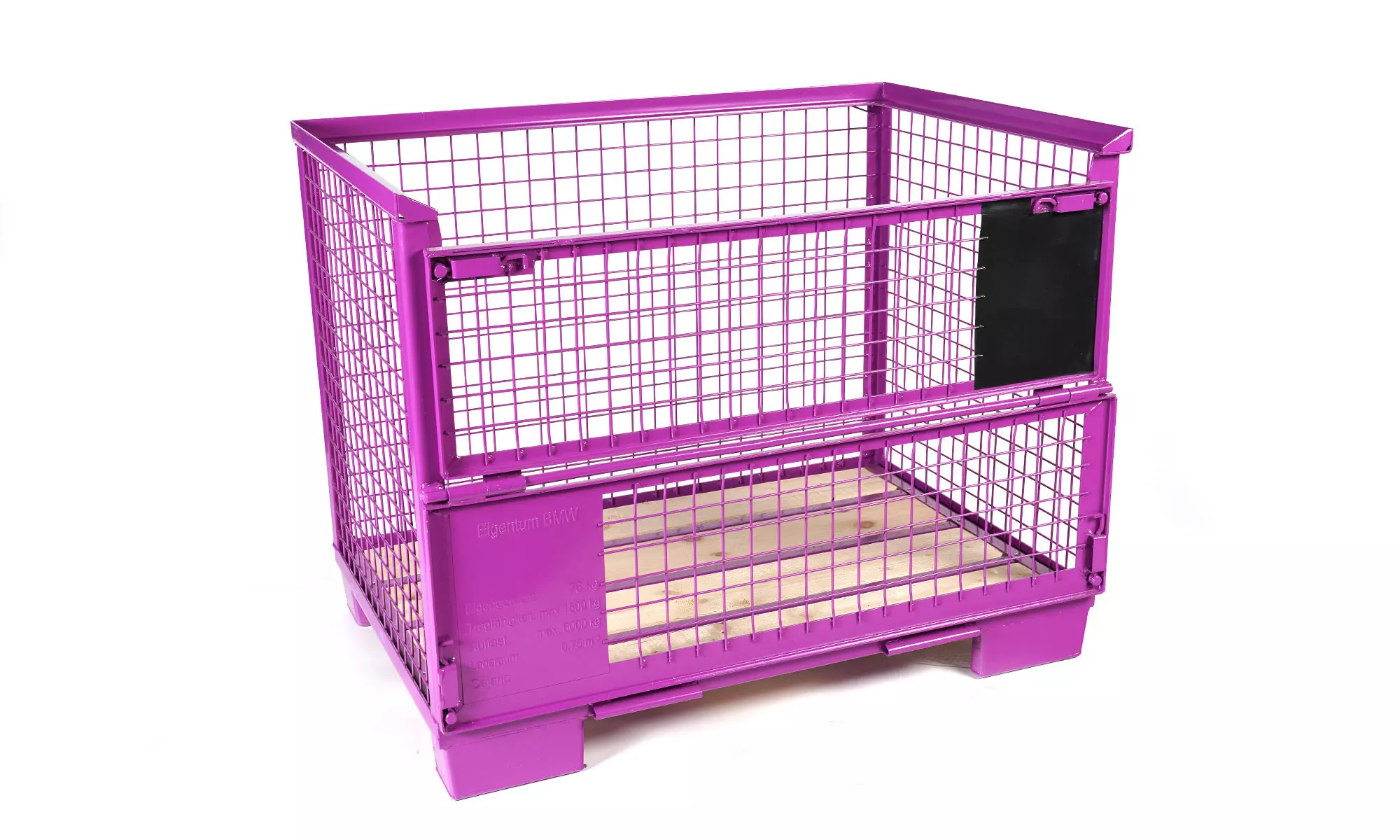
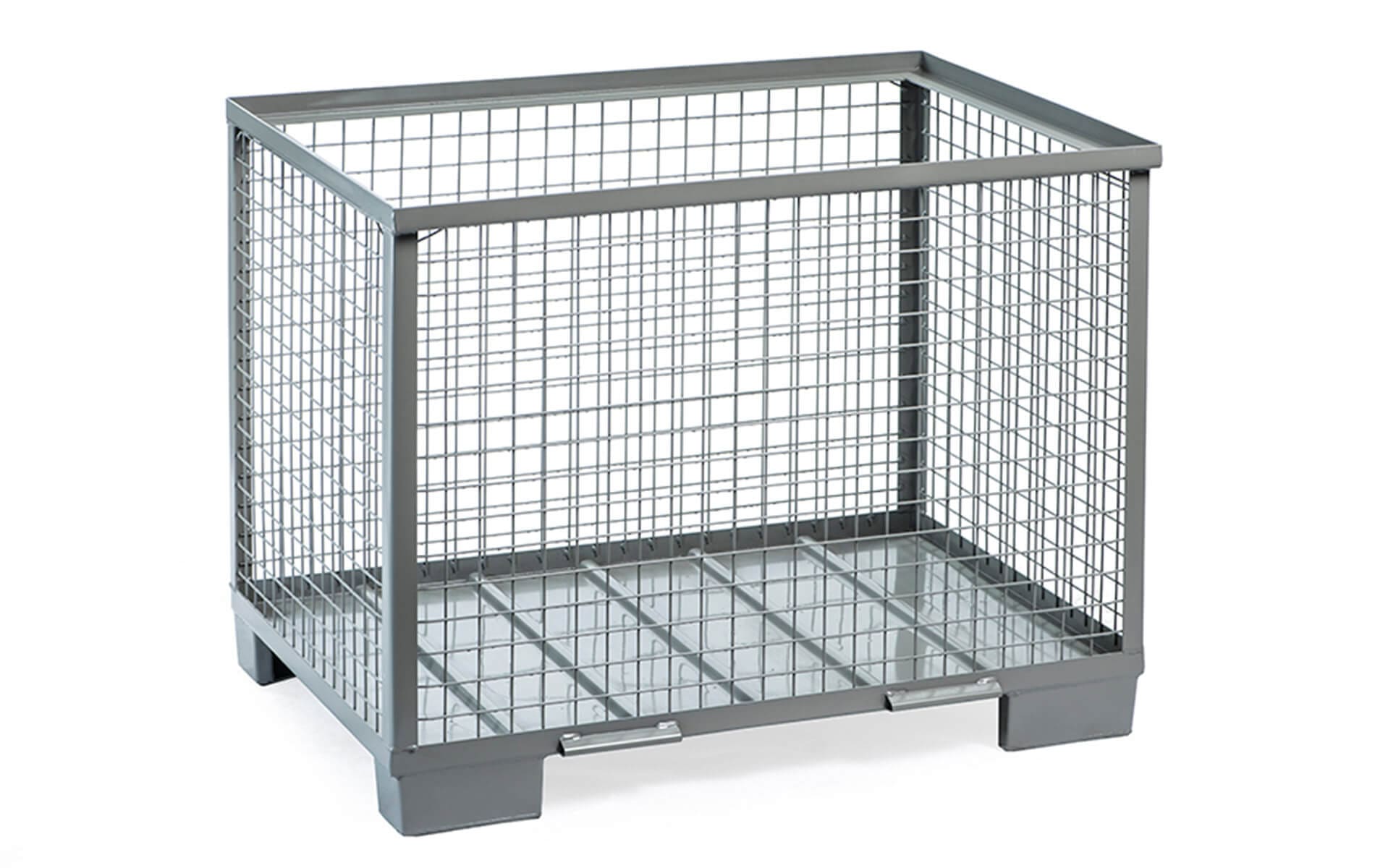
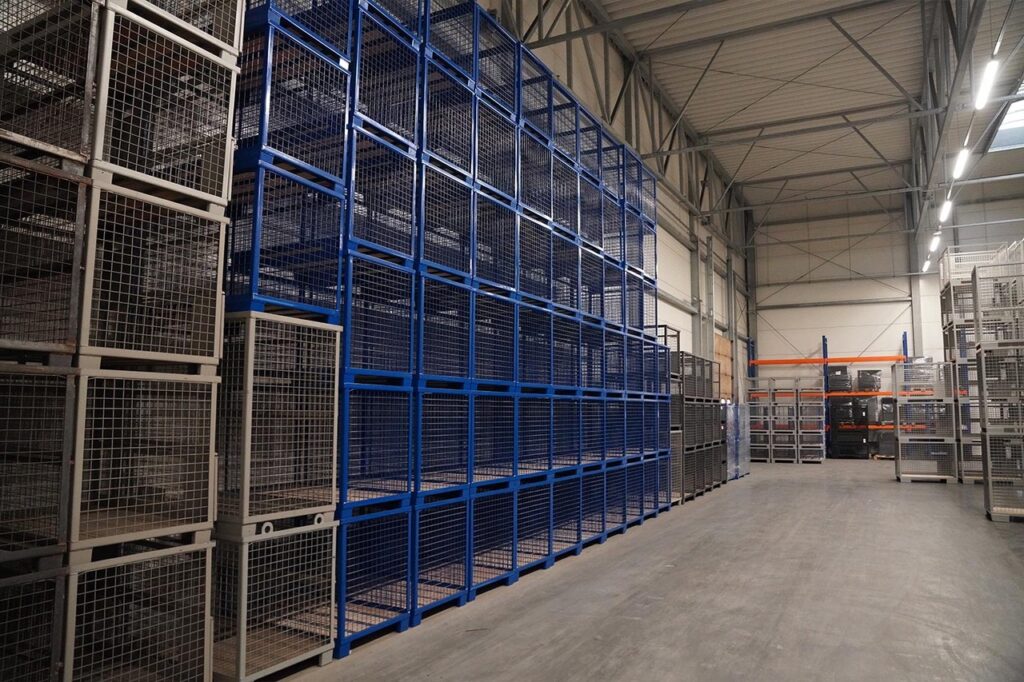
Dajano Gitterboxes
Our gitterboxes:
- meet the requirements of EPAL/UIC standards,
- are manufactured with dimensional precision,
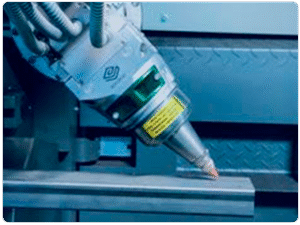
- have high-quality welds (including automated welding processes),
- enable safe stacking.
These are structures designed to work in demanding industrial conditions.
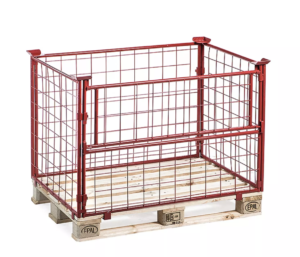
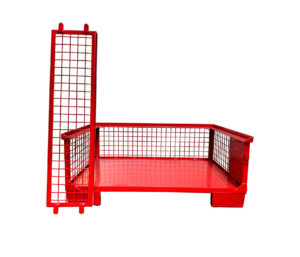
Pallet collars
Pallet collars stabilize loads on standard pallets, preventing goods from sliding apart and enabling safe stacking.
30 years of experience
Dajano, a manufacturer with over 30 years of experience, controls the quality of every structural element. Every weld, every dimension, and every production run is verified.
Supply chain security cannot be left to chance.
Summary: Choose quality to avoid risk
A secure warehouse is an efficient warehouse.
Unstable packaging generates hidden costs – financial, operational, and reputational. Rather than reacting to accidents, it's better to prevent them.
We encourage you to:
- conducting an audit of the media held,
- fleet replacement with certified solutions,
- use the container regeneration service.
Ensure the safety of your employees and goods – contact us.
How helpful was the article?
Click a star to rate!
Average rating 4.2 / 5. Number of votes: 5
No votes so far! Be the first to rate this article.
How helpful was the article?
Click a star to rate!
Average rating 4.2 / 5. Number of votes: 5
No votes so far! Be the first to rate this article.
 Polski
  English (UK)
  Français
  Čeština
  Svenska