

The Ministry of Interior and Administration's special trade license is a state permit authorizing companies to legally manufacture, process, and distribute products of strategic importance to national security – including weapons, ammunition, and technologies for military and police purposes. Within the defense industry's supply chain, which includes subcontractors in the precision metalworking industry, cooperation within this system requires rigorous quality control procedures, full component traceability, and strict protection of confidential information.
Ministry of Interior and Administration concession – what exactly is it?
A special trade license issued by the Ministry of Interior and Administration (MSWiA) is a state permit that authorizes an entrepreneur to conduct business involving the production, processing, sale, or distribution of products subject to special state supervision. This primarily applies to weapons, ammunition, explosives, and products and technologies for military or police purposes.
For companies operating in the defense industry, a license is not a formality, but a key requirement for legal operation. Obtaining one signifies that the company meets stringent organizational, technical, quality, and safety requirements. In practice, a license from the Ministry of Interior and Administration confirms that the company can participate in the defense sector's supply chain in a controlled, safe, and legally compliant manner.
Who is covered by the special trade license?
A Ministry of Interior and Administration license, often referred to as a special trade license, is a license issued by a state authority to entrepreneurs operating in areas particularly important to national security. It covers the production and trade of weapons, ammunition, explosives, as well as products and technologies used by the military, police, and other services.
In practice, this means that a company cannot freely begin producing or trading such products without first obtaining appropriate authorization. The state controls this sector because licensed products can have a direct impact on defense, public safety, and the protection of sensitive information.
A special trade license defines the scope of activities an entrepreneur can conduct. It may cover trade only, production only, or both. Each case is analyzed individually, and the scope of the license granted depends on the company's business profile, technical resources, safety procedures, and staff training.
Manufacturing and trade – rigorous safety procedures
The special trade license applies primarily to entities operating in the broadly defined defense industry. These include manufacturers of weapons, ammunition, military equipment, technical systems, specialized components, and companies trading in products for military or police purposes.
This applies to the main players in the defense industry, but also to companies involved in more specialized stages of production. In practice, the defense industry supply chain includes not only large defense factories but also subcontractors responsible for precision metalworking, welding, and the production of frames, supporting structures, housings, frames, assembly elements, and other technical components.
Obtaining a license from the Ministry of Interior and Administration is a complex, lengthy, and costly process. It requires preparing documentation, meeting formal requirements, implementing appropriate internal procedures, ensuring physical and organizational security, and being prepared for inspections by the relevant state authorities.
For many licensed companies, selecting the right partners is as important as the production itself. A subcontractor working with the defense industry must understand that in this sector, not only timeliness and price are crucial, but above all, consistent quality, process control, confidentiality, and full responsibility for every stage of implementation.
Manufacturing and trade – rigorous safety procedures
Activities licensed by the Ministry of Interior and Administration (MSWiA) involve the highest level of control. Companies operating in this area must meet stringent requirements regarding information security, production records, access control, document storage, and supervision of the flow of materials and components.
Information security is particularly important. Projects implemented for the military or police sector often include technical data, design documentation, material specifications, and information regarding the intended use of a given component. Therefore, companies participating in such a supply chain must ensure appropriate data protection procedures and limit access to information to authorized individuals.
Equally important is rigorous production records. In the defense industry, every component must be traceable, and its production process must be reproducible and verifiable. This applies to both input materials and technological parameters, quality control, processing stages, and final compliance with documentation.
Licensed companies must also be prepared for regular audits and state inspections. Assessments may include safety procedures, production organization, documentation, storage, markings, record-keeping, and cooperation with subcontractors. Therefore, choosing partners who understand the specifics of working under strict supervision and can adapt to the requirements of the defense sector is crucial.
Production of military components and legal requirements
The Ministry of Interior and Administration's licensing regulations are directly related to the production of components used in the defense industry. While metalworking itself does not always require a license, in the case of components intended for military or police applications, the requirements for manufacturers and subcontractors increase significantly.
A licensed arms manufacturer must collaborate with companies that understand the specifics of implementing special projects. This primarily concerns quality of workmanship, repeatability of parameters, compliance with technical documentation, dimensional control, and confidentiality. In the defense industry, even a seemingly simple metal component can fulfill an important structural, assembly, or protective function.
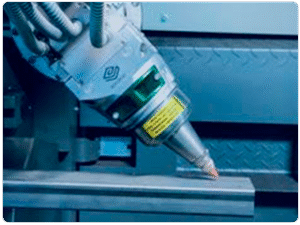
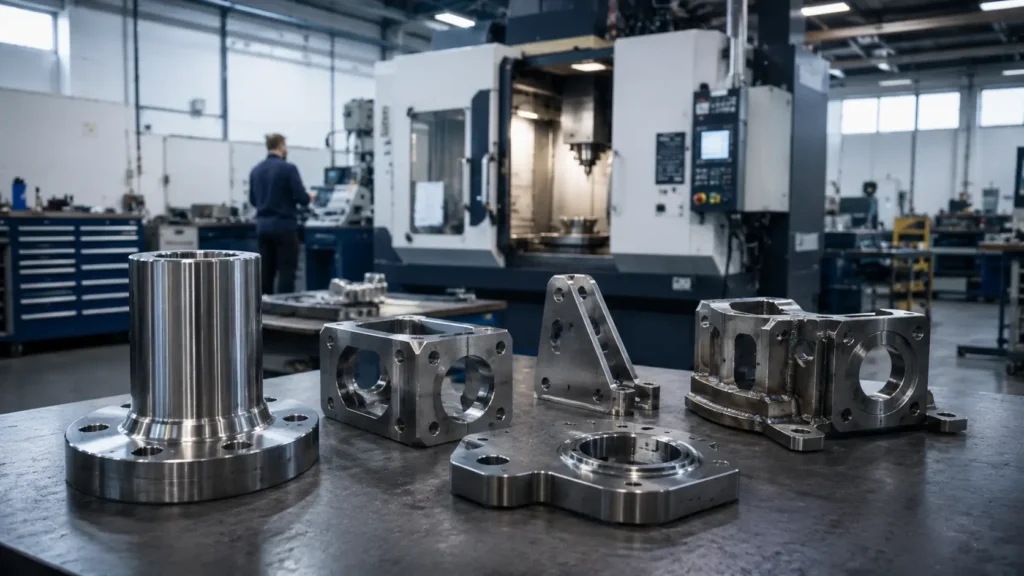
Metalworking for the defense sector requires precision and appropriate technological resources. Processes such as cutting, bending, CNC milling, turning, robotic welding, and assembly of steel structures must be conducted in a controlled and repeatable manner. Documentation of production stages and readiness to work according to customer requirements, technical documentation, and audit procedures are also crucial.
Therefore, a subcontractor for the defense industry should be not only a manufacturer but also a conscious technological partner. They must understand that fulfilling orders for licensed companies requires process discipline, flexibility, and responsibility for the security of the entire supply chain.
Dajano: Your proven subcontractor for the defense industry
Dajano is a conscious manufacturing partner for companies operating in the defense sector and collaborating within a licensed supply chain. We combine experience in metalworking with modern technological resources, enabling us to implement demanding projects for industries with high quality standards.
Our advantage lies in precision workmanship and control of the production process. We utilize technologies such as robotic welding and precise CNC machining, allowing us to produce repeatable, durable, and documentation-compliant metal components. This is especially important in projects where reliability, dimensional accuracy, and consistent quality from batch to batch are key.
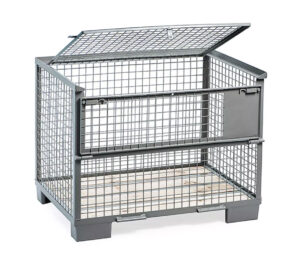
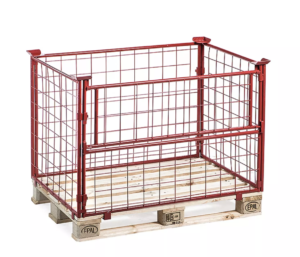
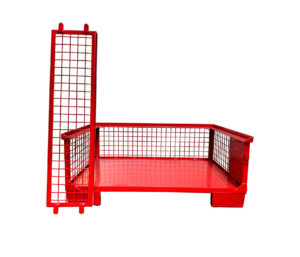
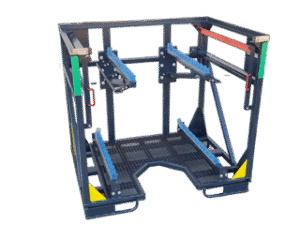
Dajano supports licensed companies in the production of advanced frames, structures, frames, assembly elements, and metal components, all manufactured under strict quality control. Our flexibility allows us to tailor the production process to the specific project requirements, technical documentation, and customer expectations.
We understand that working with the defense industry requires responsibility, confidentiality, and a willingness to work to the highest standards. Therefore, we prioritize reliability, punctuality, quality control, and a collaborative approach to every project.
Frequently Asked Questions (FAQ)
What is a special trading license?
A special trade license is a state permit authorizing the production or trade of explosives, weapons, ammunition, and products and technologies for military or police purposes. It is required in sectors that are important to state security and public order.
Who issues the license for military production in Poland?
A license for activities related to the production or trade of military and police products is issued by the minister responsible for internal affairs, effectively the Ministry of Internal Affairs and Administration. The procedure involves assessing documentation, meeting formal requirements, and preparing the entrepreneur to operate in the controlled area.
What requirements must a subcontractor in the defense industry meet?
A defense subcontractor should ensure high production quality, process repeatability, compliance with technical documentation, dimensional control, confidentiality of information, and a willingness to work in accordance with customer procedures. Experience in precision metalworking, appropriate technological resources, and awareness of audit requirements are also important.
Does Dajano produce components for the defense industry?
Dajano offers manufacturing capabilities useful to defense companies, including precision CNC machining, robotic welding, and the production of advanced structures, frames, and metal components. The company can support licensed manufacturers as a reliable subcontractor, implementing projects in compliance with quality and technical requirements.
Safe cooperation with a Polish manufacturer
Selecting a trusted, domestic subcontractor is crucial for companies operating in the defense industry. Polish production facilitates process control, shortens the supply chain, streamlines communication, and increases the security of projects requiring confidentiality and quality control.
For licensed companies, working with the right partner can also facilitate preparation for audits and inspections. A transparent production process, documentation, consistent quality, and the ability to continuously monitor order fulfillment are elements that enhance the security of the entire supply chain.
Dajano is a Polish manufacturer of metal components that understands the requirements of industries with high-quality requirements. If you're looking for a reliable subcontractor for the production of frames, structures, or precision metal components for the defense sector, contact us. We'll discuss your technical needs, production capabilities, and the best model for collaboration.
How helpful was the article?
Click a star to rate!
Average rating 0 / 5. Number of votes: 0
No votes so far! Be the first to rate this article.
 Polski
  English (UK)
  Français
  Čeština
  Svenska